
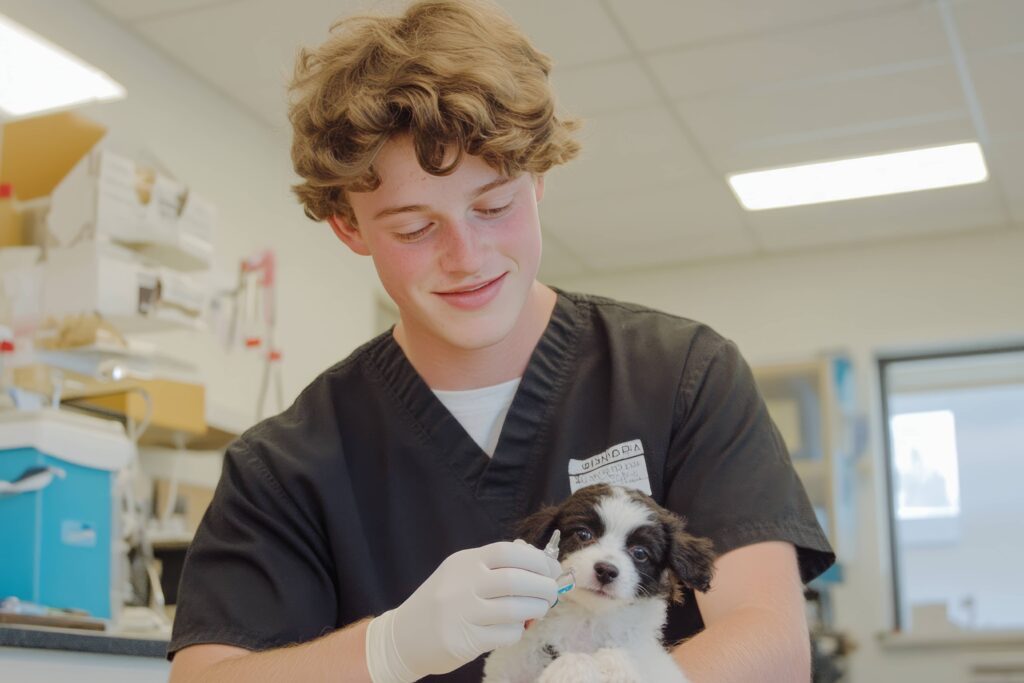
If you have ever typed “do dogs need vaccines” into Google late at night while your puppy chews on the couch, you are not alone. Vaccine hesitancy is not just a human healthcare topic anymore. More pet parents in Aurora, Illinois are asking hard questions about what is really in that syringe and whether their dog truly requires it.
At Sunshine Pet Hospital, we get it. Nobody wants to put their dog through something unnecessary, and nobody would like to be talked into a shot just because “that’s what everyone does.” So let’s walk through the most common myths about dog vaccines, talk honestly about dog vaccine reaction risks, and help you decide based on facts instead of fear.
Contents
Why So Many Dog Owners Hesitate on Vaccines
Before we debunk anything, it helps to understand where the hesitation comes from. Most pet parents are not against science. They are worried about three specific things:
- Side effects they have heard about from other owners or online forums
- Cost of vaccines that seem to pile up every visit
- Confusion over which shots are actually required versus recommended
These are fair concerns. A dog vaccine reaction, even a mild one, can be scary to witness, especially with a young puppy. The good news is that serious reactions are rare, and understanding what is normal versus what needs a vet call can take a lot of the fear out of the process.
Myth 1: Vaccines Cause More Harm Than Good
This is the big one. Some owners believe the risk of a dog vaccine reaction outweighs the protection the vaccine offers. In reality, the numbers tell a different story.
Most dogs experience nothing more than mild soreness at the injection site or a bit of low energy for a day. Studies on canine vaccine safety consistently show that severe reactions, such as facial swelling or an allergic response, happen in a minimal percentage of dogs. Compare that to diseases like parvovirus or distemper, which are frequently fatal in unvaccinated puppies, and the math becomes clear. The protection almost always outweighs the risk.
Myth 2: My Indoor Dog Does Not Need Core Vaccines
Even dogs who rarely leave the house are not fully protected from disease. Airborne particles, contaminated shoes, visiting guests, and even a quick trip to the vet or groomer can expose your dog to viruses that live outside your front door. Core vaccines like distemper, parvo, hepatitis, and rabies protect against diseases that do not check whether your dog is an indoor pup or an outdoor explorer.
Myth 3: One Puppy Vaccine Series Lasts a Lifetime
Immunity fades over time. That is why booster shots exist. Skipping boosters does not save your dog from anything long-term; it just leaves a gap in protection right when your dog’s immune response starts to weaken.
Myth 4: Natural Immunity Is Just as Good
Letting a dog “build immunity naturally” by catching and surviving a disease like parvo is one of the riskiest gambles a pet owner can take. Survival is not guaranteed, and dogs who do pull through often face lasting organ damage or a much longer, more expensive recovery than a simple vaccine visit would have cost.
Myth 5: All Dog Vaccine Reactions Are Dangerous
This myth causes a lot of unnecessary panic. Most reactions are mild and temporary. Here is a quick breakdown of what is normal versus what warrants a call to your vet.
Normal, Mild Reactions (Usually Resolve Within 24 to 48 Hours)
- Slight swelling or tenderness at the injection site
- Low energy or mild sleepiness
- Reduced appetite for a day
- Mild fever
Reactions That Need a Vet Call Right Away
- Facial swelling, especially around the muzzle or eyes
- Hives or widespread itching
- Vomiting or diarrhea shortly after vaccination
- Difficulty breathing
- Collapse or extreme weakness
If your dog shows any of the second list of symptoms, do not wait it out. Call Sunshine Pet Hospital immediately so we can guide you on next steps.
So, Do Dogs Need Vaccines? Here Is the Honest Answer
Yes, in nearly every case, dogs need core vaccines to stay protected against serious and often fatal diseases. Illinois law also requires rabies vaccination for dogs starting at four months old, so this is not purely a personal preference decision. If you want the full legal breakdown for our state, read this article on what dog vaccines are required by law in Illinois for a complete rundown of requirements, booster timing, and what happens if you skip a required to be shot.
How Sunshine Pet Hospital Approaches Vaccine Safety in Aurora IL
We know that trust is earned, not assumed. As your vet in Aurora IL, our team does not just show up with a needle and move on to the next appointment. Every vaccine visit includes:
- A full health check before any vaccine is given, to catch anything that might make vaccination riskier that day
- A conversation about your dog’s lifestyle, so we only recommend vaccines that actually make sense for your pet
- Clear explanation of what a normal reaction looks like versus what needs immediate attention
- A follow-up plan if your dog has ever had a reaction in the past
Being an independent, family-run animal hospital in Aurora, Illinois means we get to make these calls based on what is right for your dog, not a corporate checklist.
Quick FAQ on Dog Vaccines and Reactions
Is a dog vaccine reaction common? No. Mild soreness or tiredness is fairly common, but serious reactions are uncommon and typically manageable when caught early.
Can I space out my dog’s vaccines to reduce reaction risk? This is a conversation to have directly with your vet. In some cases, spacing shots out can help nervous pets or dogs with a history of reactions.
What should I do immediately after my dog gets vaccinated? Keep your dog calm and monitored for the first few hours, offer water, and watch for any of the warning signs listed above.
Are titers a substitute for vaccines? Titer testing can measure existing immunity in some cases, but it is not a full replacement for vaccination. Talk to your vet about whether titer testing fits your dog’s situation.
Ready to Protect Your Dog the Right Way?
Skipping vaccines out of fear of a reaction often puts your dog at a much bigger risk than the vaccine itself. The safest path is an honest conversation with a vet who actually knows your dog.
Visit our Pet Vaccinations page to see the full list of vaccines we offer, or call us to talk through your dog’s specific vaccine schedule. As always, you can also scan the QR code on our homepage to schedule an appointment in just a few taps.
Ready to get your dog protected? Request an appointment with Sunshine Pet Hospital today and let our Aurora, IL vet team walk you through a vaccine plan that fits your dog’s lifestyle, health history, and comfort level.