
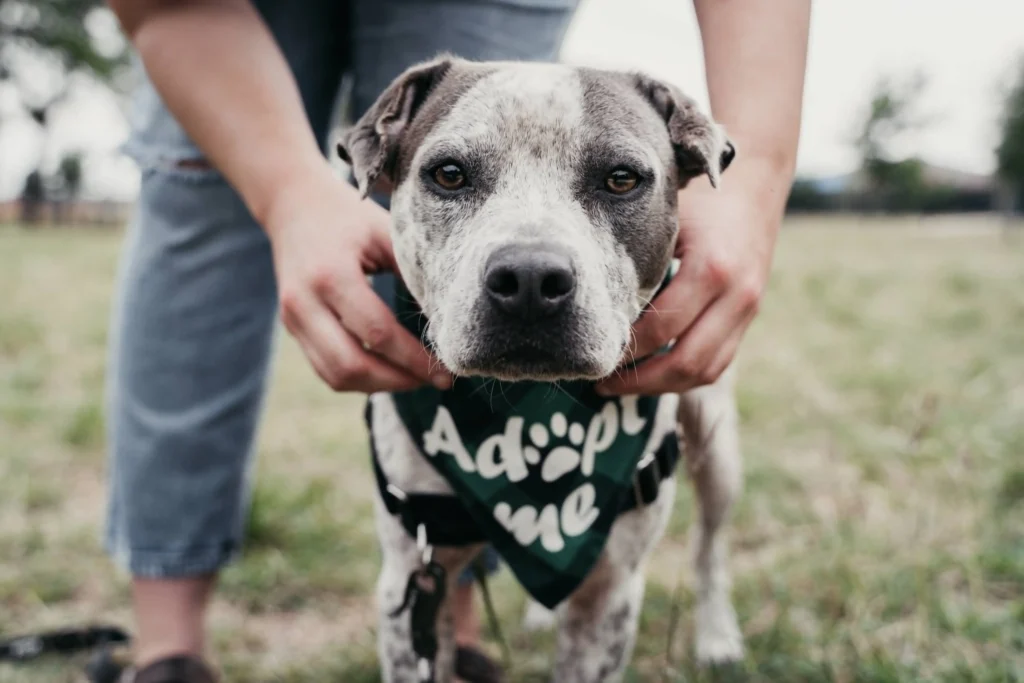
Bringing home a dog rescue in Aurora, IL, is exciting, emotional, and sometimes a little overwhelming. You may have spent weeks looking at adoption profiles, filling out applications, and imagining the moment your new companion walks through the front door.
Then that moment arrives, and your dog may seem shy, restless, quiet, clingy, or even unsure of you.
That is normal.
A rescue dog has likely experienced several major changes in a short period of time. They may have moved from a previous home to a shelter, foster home, transport vehicle, veterinary clinic, or rescue facility before arriving with you. Even a friendly, happy-looking dog needs time to understand that they are safe.
The first 168 hours in your home are foundational for your new companion. This guide provides a practical, day-by-day checklist to ensure a smooth transition, reduce behavioral anxiety, and protect your pet’s health during this crucial first week.
Contents
The 3-3-3 Rule: Understanding Rescue Dog Decompression
Before diving into the daily schedule, it is vital to understand how rescue dogs process change. Canine behaviorists use the 3-3-3 rule to map out the typical stages of decompression:
- First 3 Days: Your dog will likely feel overwhelmed. They may shut down, hide under furniture, or refuse to eat. Conversely, some may test boundaries as adrenaline levels spike.
- First 3 Weeks: Your new pet begins to realize they are safe. They start settling into a routine, showing their true personality, and learning the house rules.
- First 3 Months: The dog fully bonds with you, feels secure in their environment, and understands that they are finally home for good.
Patience during this timeline prevents common behavioral setbacks and builds a foundation of trust.
Day 1: Preparing Your Home and Surviving the First 24 Hours
Your primary goal on day one is establishing safety and quiet. Overstimulating your pet right away can lead to long-term anxiety or behavioral issues.
Setting Up a Secure Decompression Zone
Before bringing home a dog rescue in Aurora, IL, designate a quiet area of the house just for them. This space should contain:
- A sturdy crate with comfortable, washable bedding.
- Fresh water in a heavy, non-tip bowl.
- A few safe, durable chew toys to help relieve stress.
Keep this zone away from high-traffic areas like the kitchen or main hallway. Let your new pup retreat here whenever they feel overwhelmed.
Managing the First Night with a Rescue Pup
The first night can be challenging. Your pup might whine, pace, or bark due to the unfamiliar environment.
- Keep them close but contained: Place the crate in or near your bedroom so they can smell and hear you, which reduces nighttime panic.
- Avoid overhandling: Resist the urge to constantly cuddle or fuss over the dog if they show signs of fear. Simply being present in the room provides comfort.
- Stick to a strict bathroom routine: Take your dog out immediately before bedtime to minimize middle-of-the-night accidents.
Day 2 to 3: Establishing Routines and the Critical Health Check
By day two or three, the initial shock wears off, and your dog begins exploring their immediate surroundings. This is the optimal time to establish rules and prioritize preventative healthcare.
Starting a Strict Bathroom Routine
Consistency is the secret to successful housebreaking. Rescue dogs often thrive on predictability.
- Take your dog to the same spot in the yard every two hours.
- Use a specific verbal cue, such as “go potty.”
- Reward success instantly with high-value treats and calm praise.
- Expect a few accidents. Never punish a rescue dog for an accident, as this triggers fear-based behaviors. Simply clean the area thoroughly with an enzymatic cleaner to remove the scent.
The Essential First Veterinary Exam
Scheduling a professional health assessment is one of the most critical steps when bringing home a rescue dog checklist item. Even if the shelter or rescue organization provided medical records, an independent examination is vital. Shelters are high-stress environments where contagious illnesses spread rapidly despite excellent sanitation practices.
A comprehensive intake exam ensures that undetected issues are caught early. This visit serves several essential purposes:
- Parasite Screening: Standard shelter deworming does not always eliminate all intestinal parasites, giardia, or heartworms.
- Vaccination Schedules: Reviewing records helps create a timeline for necessary boosters like rabies, DHPP, and bordetella.
- Spay/Neuter Verification: Confirming the status of surgical healing or planning the procedure if it was not completed before adoption.
- Baseline Health Data: Documenting your dog’s healthy baseline weight, dental condition, and joint health for future reference.
Schedule Your New Pet Wellness Exam
Safeguard your rescue dog’s health from day one. The veterinary team at Sunshine Pet Hospital provides compassionate, comprehensive pet wellness exams tailored specifically for newly adopted pets.
Day 4 to 5: Introducing Existing Pets and Expanding Boundaries
Once your new dog recognizes you as a source of food and safety, you can carefully introduce them to the rest of your household.
Rules for Safe Pet Introductions
Never rush introductions between a newly adopted dog and your current pets. Improper introductions can cause territorial aggression.
- Meet on Neutral Ground: Have a friend or family member help you walk both dogs on a leash at a local park or neutral sidewalk. Do not introduce them inside your home right away.
- Practice Parallel Walking: Walk the dogs in the same direction, keeping a distance of ten to fifteen feet between them. This allows them to get used to each other’s presence without confrontation.
- Monitor Body Language: Watch for loose, wagging tails and relaxed postures. If either dog stiffens, growls, or stares intensely, increase the distance between them immediately.
- Separate During Feedings: Keep bowls and high-value toys entirely separate during the first few weeks to eliminate resource guarding.
Day 6 to 7: Recognizing Anxiety and Planning for Emergencies
As the first week closes, your dog’s true personality starts to surface. You will begin to notice what triggers their anxiety and how they handle normal household sounds.
Identifying Signs of Decompression Anxiety
It is common for rescue animals to exhibit mild separation anxiety as they form an attachment to you. Watch for these indicators:
- Pacing or panting when you prepare to leave the house.
- Whining or scratching at doors when left alone in a room.
- Refusing treats when you are away.
To combat this, practice short departures. Leave the room for two minutes, then return without making a fuss. Gradually increase this time to build their confidence.
Knowing Where to Turn in a Medical Emergency
Accidents, dietary indiscretions, or sudden illnesses can happen at any time during the transition period. Being prepared prevents panic when every minute counts. Keep local veterinary contact information saved in your phone and posted on your refrigerator.
- Routine Care & Wellness: Contact your trusted primary care provider for vaccines, behavioral advice, and standard checkups.
- Urgent & After-Hours Care: Know the location of the nearest fully equipped trauma facility for late-night emergencies.
Your Partner in Lifelong Canine Wellness
From standard puppy and adult vaccinations to unexpected medical needs, our clinic is equipped to support your family through every stage of pet ownership. We combine medical expertise with a gentle approach to keep your pet comfortable.
Local Resources for Pet Owners in Aurora, IL
Navigating your community as a new pet owner is easier when you know where to go for support, supplies, and healthcare.
Emergency and Routine Veterinary Care
- Primary Care: Sunshine Pet Hospital (providing routine wellness exams, diagnostics, and preventative care as an established vet in Aurora, IL).
- Emergency Services: For critical, late-night medical crises, locate the nearest 24-hour emergency vet in Aurora, IL, to ensure immediate access to advanced life support.
Essential Gear Checklist
Before your dog’s first full week is complete, ensure you have gathered these basic supplies:
- A flat nylon collar or a front-clip harness.
- A standard six-foot leash (avoid retractable leashes, which reduce control).
- An identification tag listing your current phone number.
- High-quality dog food matching the formula used by the shelter to prevent digestive upset.
By prioritizing consistent routines, managing environmental stress, and securing professional medical evaluations early on, you can successfully guide your dog rescue in Aurora, IL, through their initial week. This dedication paves the way for years of companionship, loyalty, and unconditional love.